

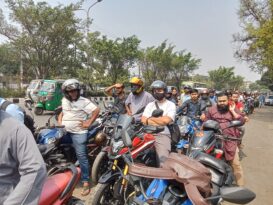
The Energy and Mineral Resources Division has taken an initiative to introduce a “Fuel Pass” system to bring better control to the fuel supply chain. Under this QR code-based digital system, specific vehicles will be allowed to receive a fixed amount of fuel within a designated timeframe.
This information was shared during a briefing held at the Secretariat on Monday.
Speaking at the briefing, Joint Secretary and spokesperson of the Energy Division, Munir Hossain, said the initiative aims to regulate fuel demand and reduce unnecessary consumption. Initially, there are plans to bring motorcycles under this system, as demand for octane in this sector is relatively high and panic buying has recently been observed.
In response to a question about where the fuel passes will be issued, officials said the passes will not be distributed directly from district administration offices. Instead, they will be centrally generated and distributed through filling stations to minimize public inconvenience.
He further explained that under this system, each registered vehicle will be issued a unique QR code. Within a specified time period, users will be able to collect a predetermined quantity of fuel using the code. Once fuel is taken, the same vehicle will not be allowed to receive fuel again before a certain interval, helping to prevent multiple purchases by the same vehicle within a short time.
He also noted that a digital platform or mobile app is currently under development to implement the fuel pass system. Through this app, all relevant data—including user information, vehicle registration, fuel collection time, and quantity—will be recorded. The government আশা that this system will help reduce excess pressure in the market and ensure a balanced distribution of fuel.
However, officials acknowledged that the implementation process will not be easy. According to the Energy Division, launching such a system will take time and require strong coordination at the field level. Initially, it may be introduced on a limited scale and later expanded gradually.