
Dhaka Monday, Jul 13, 2026
- Power Division Opens Control Room to Address Flood Situation
- LPG Price Cut by Tk 357 for 12kg Cylinder
- Adani Achieves Milestone of 20,000 Megawatts in Renewable Energy Generation
- It Will Take Time to Break Free from the Cycle of Corruption in the Power Sector: Information Minister
- Electricity Prices Increased for All Consumers
- Approval Given to Purchase Three LNG Cargoes
- Diesel, Kerosene Prices Cut By 50p For November
- AI Boom To Fuel Natural Gas Demand In Coming Years, Report Says
- Bangladesh signs €477m deals with EU and EIB for renewable energy and more
- The Current Oil Price Rally Is Reaching Its Limits

Something to Say
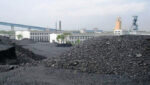 Barapukuria Coal Mine is facing various crises and uncertainties. Workers and related stakeholders have alleged that the country’s only underground coal mine, located in Parbatipur of Dinajpur, is being pushed toward destruction due to mismanagement, excessive coal stockpiling, and financial losses. Large quantities of extracted coal have remained stored for a long time, leading to frequent incidents of fire in the coal piles. In addition, excessive pressure has caused sections... »
  DHAKA – Rising energy prices are piling pressure on Bangladesh’s textile sector, pushing dozens of factories to close and forcing a big rethink on how best to power the nation’s No. 1 industry in terms of export and jobs. Be it solar roof panels up top or green boilers on the factory floor, the textile sector is looking at new ways to deliver cloth more cheaply and with stronger green... »
  The energy advisor has stated on the first day of joining office that the Speedy Supply of Power and Energy (Special Provision) has been put on hold with the promise of not raising tariffs on energy prices and alongside bringing past contracts under review. This is a welcome move but the fact remains that the country is presently burdened with a US$5.0 billion energy-debt and it is the task of... »
  The transition from fossil fuels to renewable energy is akin to a high-stakes chess game, a strategic move that will shape the future of nations and the well-being of their citizens. In the heart of South Asia lies Bangladesh, a country with a rich history, vibrant culture, and a burgeoning economy. As the world grapples with climate change and the urgent need to reduce greenhouse gas emissions, Bangladesh finds itself... »
  Benjamin Franklin says “When the well’s dry, we know the worth of water.” This seems very true for many urban areas and cities in the world. The mega city Dhaka is experiencing a severe water crisis in recent years. Water shortage becomes worse during the summer months. The groundwater table is diminishing at an alarming rate. Is it too late to achieve water sustainability in Dhaka? Groundwater Depletion Scenario in... »
  You are at a fancy restaurant; you paid a handsome amount of the bill for them to serve you appetizing food; foods are lying in front of you getting no attention; flies are buzzing over them; and your eyes and minds are stuck on a box. As stupid as it sounds, it is a common scene out there currently. It’s those mere cellphones that are eating out our brain, sucking... »
  The power sector of Bangladesh is taking heavy criticism because of the sudden deterioration in power generation capacity, which seems perplexing after relatively better service in the past decade. So, can we expect the power sector to thrive when the country’s economy is in dire straits? Since the beginning of the summer of 2022, load shedding has put the planning, performance and general direction of the power sector of Bangladesh... »
  Facing global isolation, Russian Foreign Minister Sergey Lavrov may seek Bangladesh’s support during his visit here next week, while Dhaka will focus on Rohingya crisis, food supply and energy cooperation. Lavrov will visit Bangladesh to attend the 22nd Indian Ocean Rim Association (IORA) meeting on November 23-24 to be held at Hotel InterContinental at the invitation of Bangladesh, the current chair of IORA. Ministers and top officials of 23 member... »
  Due to rising import costs, the country’s dollar reserves are dwindling. As a consequence, Bangladesh Bank has issued restrictions on importing non-essential goods to safeguard reserves. Meanwhile, the export revenue from the garment industry and expatriate workers’ remittances have not seen an expected growth. Despite the restrictions, the import cost is increasing due to the high demand and price of essential goods. The biggest challenge now is maintaining the supply... »
  Energy policy has always been an issue for all nations in the world since, as a result of industrialization, electricity use has been rising quickly and has become increasingly important in people’s lives and to national economies. On 5% of the planet’s landmass, nearly a fourth of the world’s population resides in South Asia. Between 1990 and 2015, South Asia’s electricity production increased rapidly, from 340 terawatt hours (TWh) in... »